


Inspired by What You See? Let’s Bring Your Journey to Life!
Reach out today, and one of our expert travel planners will be in touch within 24 hours.
About Serengeti National Park
Peak Time
June - October
Best Time To Go
Year-Round
Famous For
The Great Migration of wildebeest and zebras
Home Of
The Big Five and over 500 species of birds
Overview
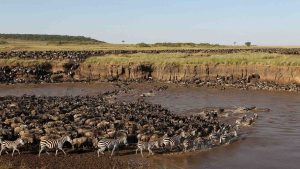
The Serengeti is the most famous national park in Africa. It is known for its large number of wild animals and the Great Migration, where about two million wildebeest move across the plains in search of fresh grass and water.
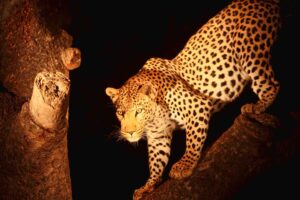
The word “Serengeti” comes from the Maasai language and means “endless plains.” These wide grasslands provide excellent grazing areas and supports huge herds of animals and many predators such as lions, cheetahs, and leopards.
The Ultimate Safari Destination
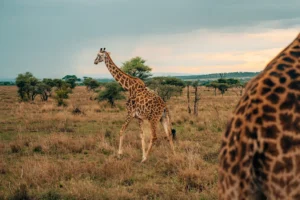
The Serengeti is often called the “Mother of All Safari Parks.” Even without the Great Migration, it is considered one of the best wildlife parks in Africa.
Visitors can enjoy:
The Serengeti is surrounded by local communities such as the Maasai and Hadzabe people, making it an interesting place for cultural experiences as well as wildlife viewing.
The Great Migration
The Serengeti and nearby protected areas cover nearly 30,000 square kilometres. Every year, millions of wildebeest and zebras travel in a circular route across the ecosystem, following rain and fresh grazing land.
To see the migration, it is important to stay in the right area at the right time of year because the herds move continuously throughout the year.
Serengeti Migration Calendar
November – December
The short rainy season begins. The herds move to the short-grass plains in the southern Serengeti around Ndutu.
January – March
The animals remain in the south. February is the calving season, when most wildebeest calves are born. Around 8,000 calves may be born each day during the peak period.
April – May
The herds begin moving north in search of fresh grass and water.
June – July
The migration reaches the Western Corridor near the Grumeti River. The animals cross the river, where large crocodiles wait for them.
Late July – August
The herds continue north through different parts of the Serengeti. Some travel through the western areas, while others move through central Serengeti.
September
The migration reaches the northern Serengeti and the Mara River. This river crossing is one of the most exciting wildlife events in Africa.
October
The herds start moving south again through the Lobo and Loliondo areas, returning to the southern plains where new grass grows after the rains.
The Serengeti offers some of the best wildlife viewing in the world. Its amazing landscapes, rich wildlife, and the Great Migration make it one of the most unforgettable safari destinations on Earth.
Our safari packages typically include accommodations, meals, park entry fees, guided game drives, and transportation within the safari parks. Some packages may also include airport transfers, domestic flights, and special activities like hot air balloon rides. Please check the specific package details for more information.
We recommend packing light, breathable clothing in neutral colors, comfortable walking shoes, a hat, sunglasses, sunscreen, and insect repellent. Don’t forget your camera, binoculars, and any personal medications. A detailed packing list will be provided with your booking confirmation.
Yes, safety is our top priority. Our experienced guides are trained to handle various situations, and we follow strict safety protocols during all activities. We also recommend purchasing travel insurance that covers medical emergencies.
The best time to go on a safari depends on what you want to see. For example, the Great Migration in the Serengeti is typically best viewed between June and September. Generally, the dry season (June to October) is ideal for game viewing, while the wet season (November to May) is great for bird watching and lush landscapes.
Certain vaccinations, such as yellow fever, may be required depending on your travel itinerary. It is also recommended to have up-to-date vaccinations for hepatitis A, typhoid, and tetanus. We advise consulting with your healthcare provider for the most current recommendations.
Absolutely! We offer customizable safari packages to meet your specific interests and needs. Whether you want a focus on wildlife photography, cultural experiences, or luxury accommodations, we can tailor the safari to your desires.
You can book directly through our website by selecting your preferred safari package and filling out the booking form. Alternatively, you can contact us via email or phone for personalized assistance with your booking.
We accept various payment methods, including credit cards, bank transfers, and online payment platforms. Payment details will be provided upon booking confirmation.
Yes, we can help you plan an extended itinerary that includes other popular destinations, such as Zanzibar, Victoria Falls, or Cape Town. Let us know your preferences, and we’ll create a seamless travel experience for you.
Yes, we offer family-friendly safari packages that include accommodations and activities suitable for all ages. Our guides are experienced in creating engaging and educational experiences for children
Copyright © 2025 Natural Serenity Safari